
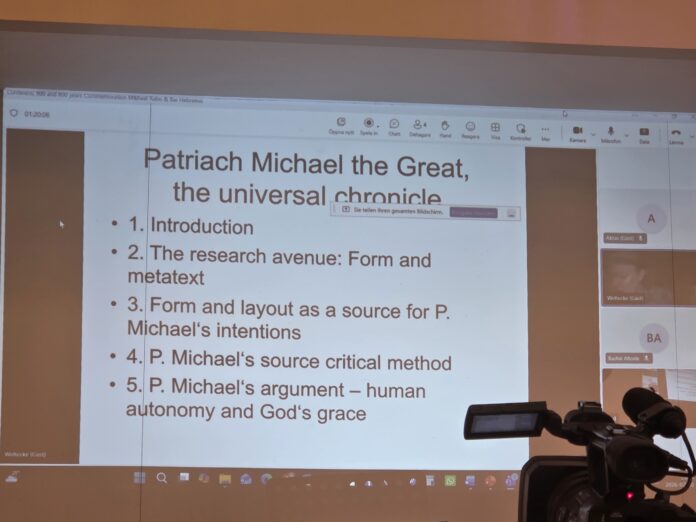
Mor Michael the Great and Mor Gregorios Yuhanon Bar Hebraeus were at the centre of a conference held in Tensta
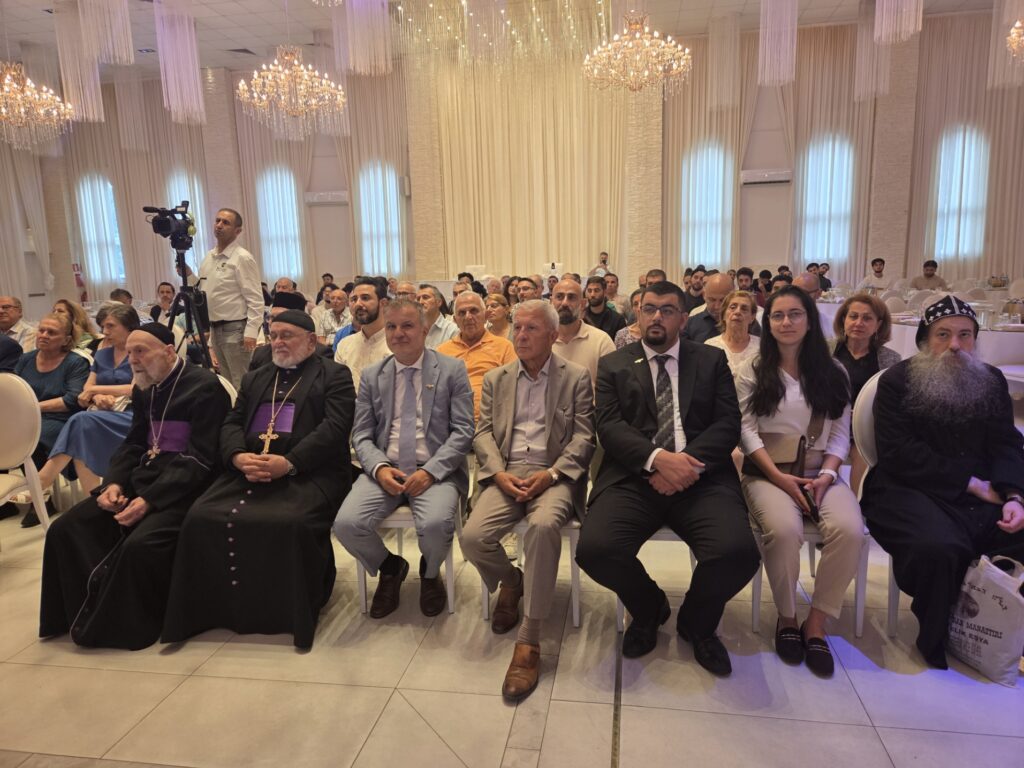
On Thursday, 30 July, archbishops, priests, researchers, academics and members of the community gathered at St. Mary’s Syriac Orthodox Church in Tensta for a conference dedicated to two of the most significant figures in the history of the Syriac Church – Mor Michael the Great and Mor Gregorios Yuhanon Bar Hebraeus. The conference was organised by the Academy of Syriac Aramaic Language in cooperation with St. Mary’s Church and commemorated the 900th anniversary of the birth of Mor Michael and the 800th anniversary of Bar Hebraeus.
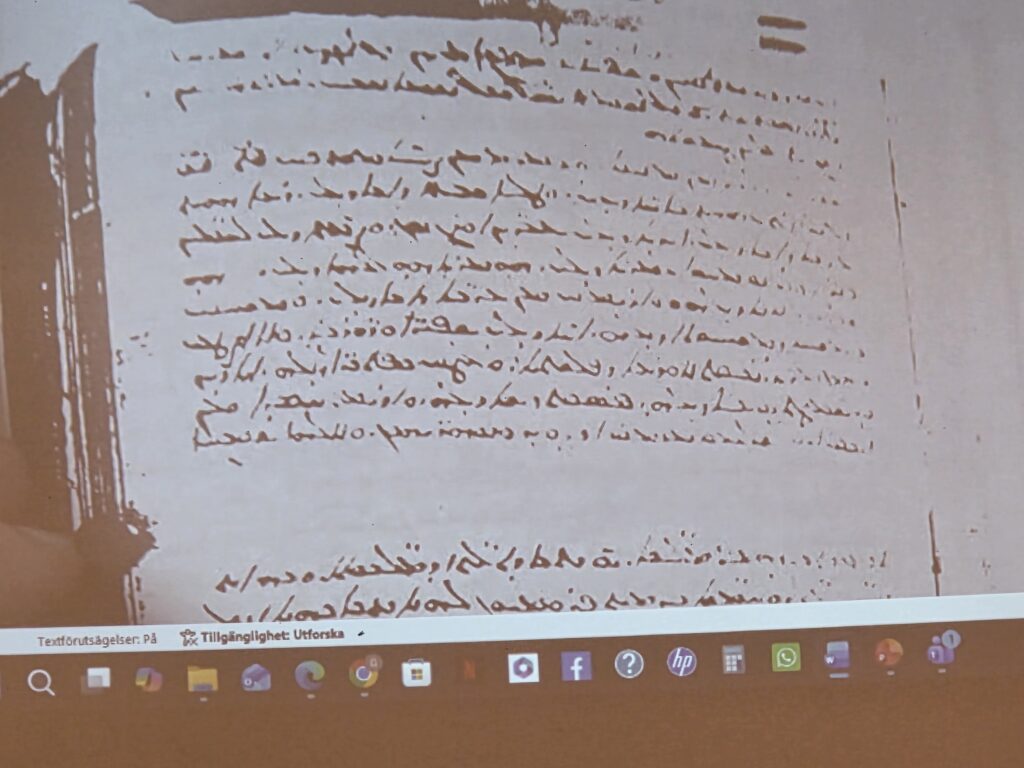
The evening featured lectures and discussions on history, language, theology and cultural heritage. At the same time, the conference served as a reminder of the continuing significance of these Church Fathers within the Syriac-Aramean tradition. Their writings and intellectual contributions remain an important part of a heritage preserved through the Church, the language and the ongoing efforts to pass this tradition on to new generations.
Mor Michael the Great and Mor Gregorios Yuhanon Bar Hebraeus lived during different periods, but they were united by a shared ambition to document, preserve and develop the Syriac intellectual tradition. Their works demonstrate how history, theology, philosophy, language and the natural sciences interacted within Syriac scholarly culture. Through their extensive writings, they contributed to strengthening Classical Syriac as a language of literature, scholarship and theology.
One clear example is Bar Hebraeus’ work Awsar Roze, which illustrates the breadth of the Syriac intellectual tradition. The work demonstrates that Syriac literature encompassed far more than religious texts and also contained substantial scientific and philosophical material. Interest in these writings spread beyond the Syriac-speaking world at an early stage. As early as the 17th century, European scholars were studying the work. The English archbishop James Ussher used a manuscript of Horreum Mysteriorum in his work on the Syriac Peshitta Bible, while Dudley Loftus and Bishop Brian Walton also referred to the material in their publications, including the London Polyglot of 1657. This illustrates how the Syriac scholarly tradition also became relevant to the development of European scholarship.
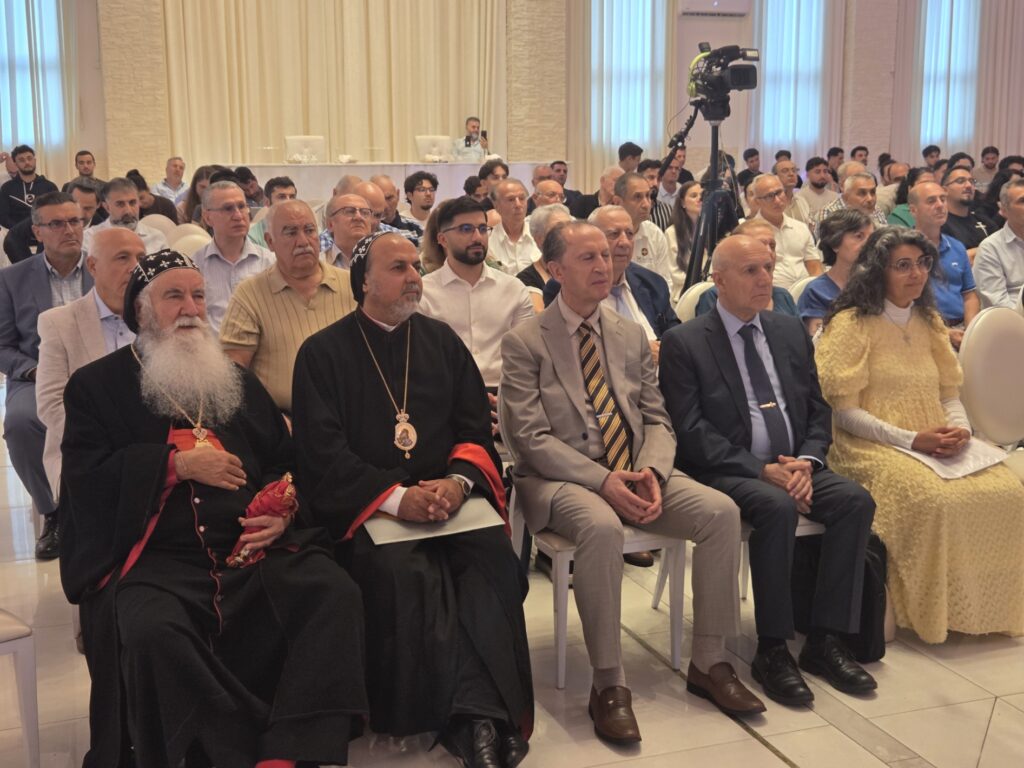
The conference also highlighted the continued relevance of the legacy of the Church Fathers. A language is preserved not only by being spoken, but also by being read, written and taught. In the same way, cultural heritage is passed on through knowledge and an understanding of the history that has shaped a people. The writings of the Church Fathers therefore remain highly significant for anyone seeking a deeper understanding of the history, language and literary tradition of the Syriac Church.
Several guests from Sweden and abroad participated in the conference, including Mor Severios Roger Akhrass, Mor Julius Hanna Aydin, Dr. Jakob Thekkemparampil, Dr. Dorotea Weltecke and Dr. Gabriel Rabo. Their participation reflected the broad international interest in the history of the Syriac Church and in the academic research being conducted on its language and literature.
For the Syriac-Aramean community in Sweden, events of this kind carry particular significance. Many today live far from the historical regions in which this culture and ecclesiastical tradition developed. Nevertheless, this heritage continues through the churches, the language, literature and traditions passed down within families, congregations and associations. When younger generations are given the opportunity to learn about this history, their understanding of the cultural heritage of which they are a part is also strengthened.
The conference at St. Mary’s Church was therefore not only an occasion to commemorate two important Church Fathers, but also an opportunity to highlight the Syriac-Aramean intellectual and cultural tradition, which continues to hold an important place in the present day.
Bahro Suryoyo