


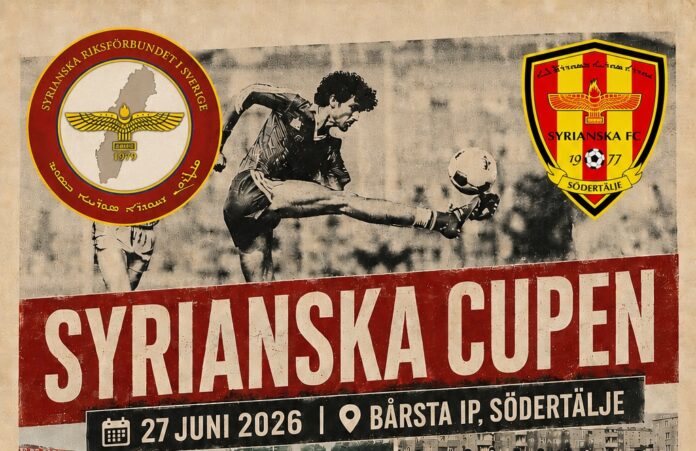
When the Syriac Cup returns on June 27, 2026, it is not merely a football tournament making a comeback. It is a part of Syriac history in Sweden coming back to life.
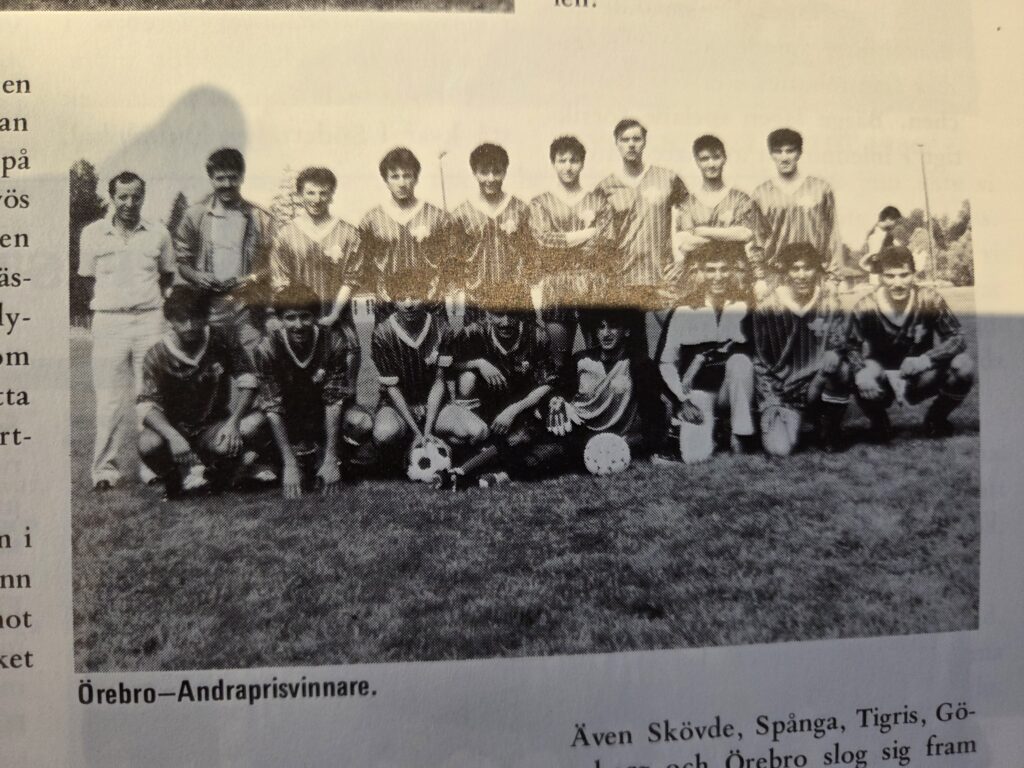
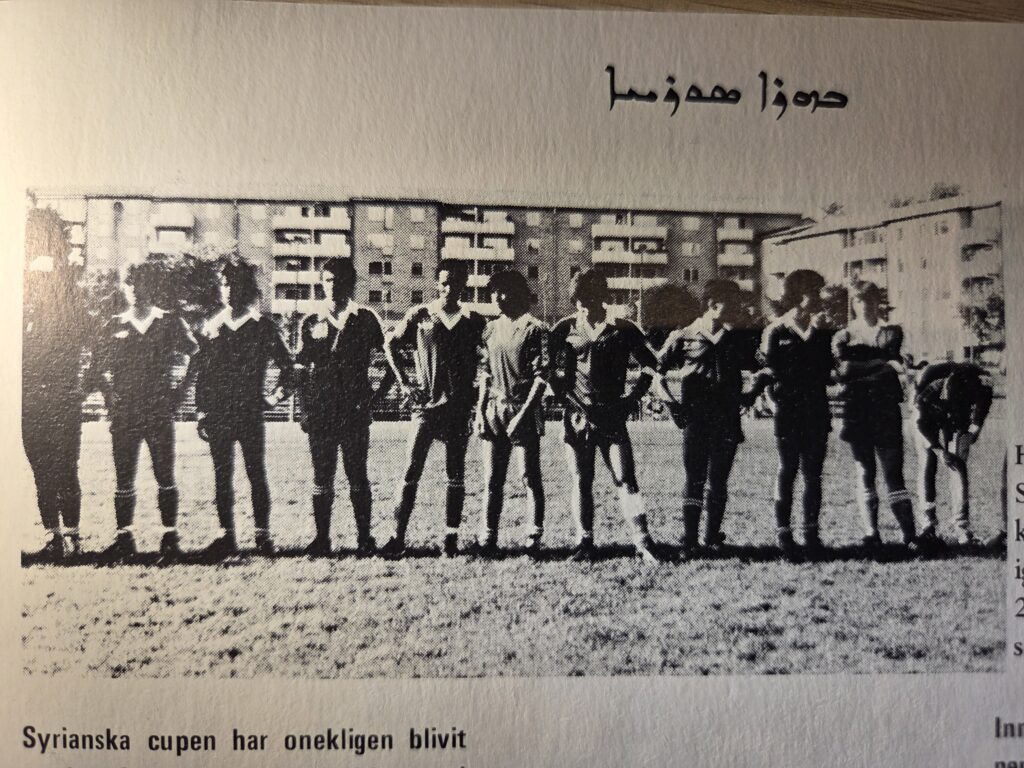
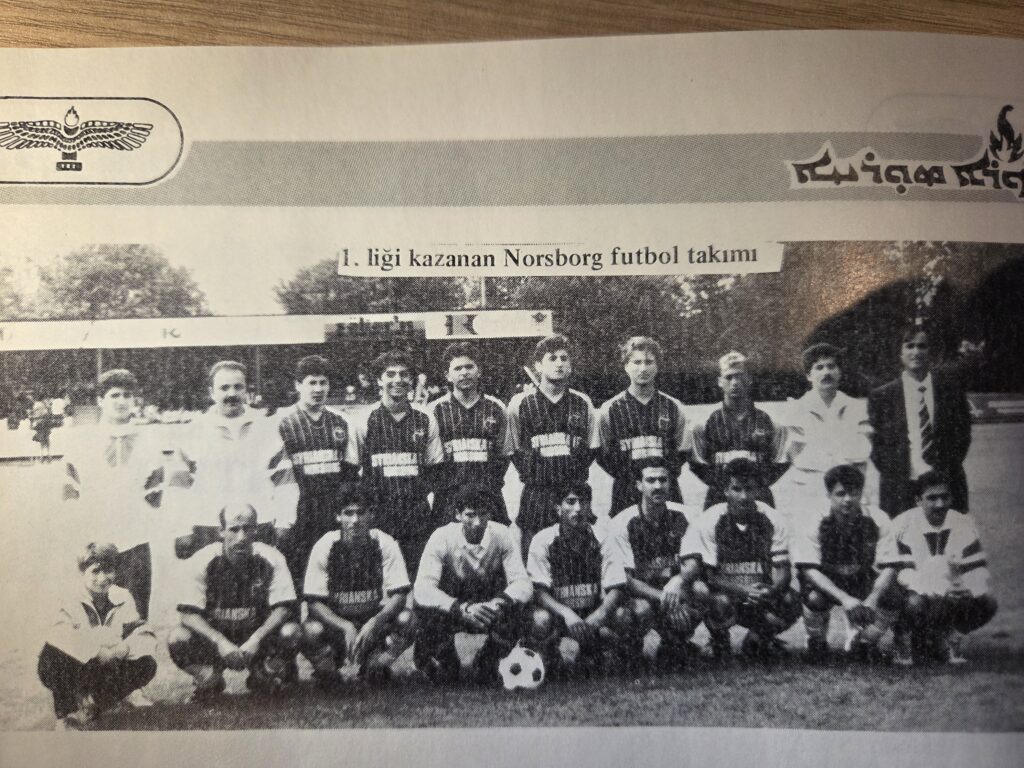
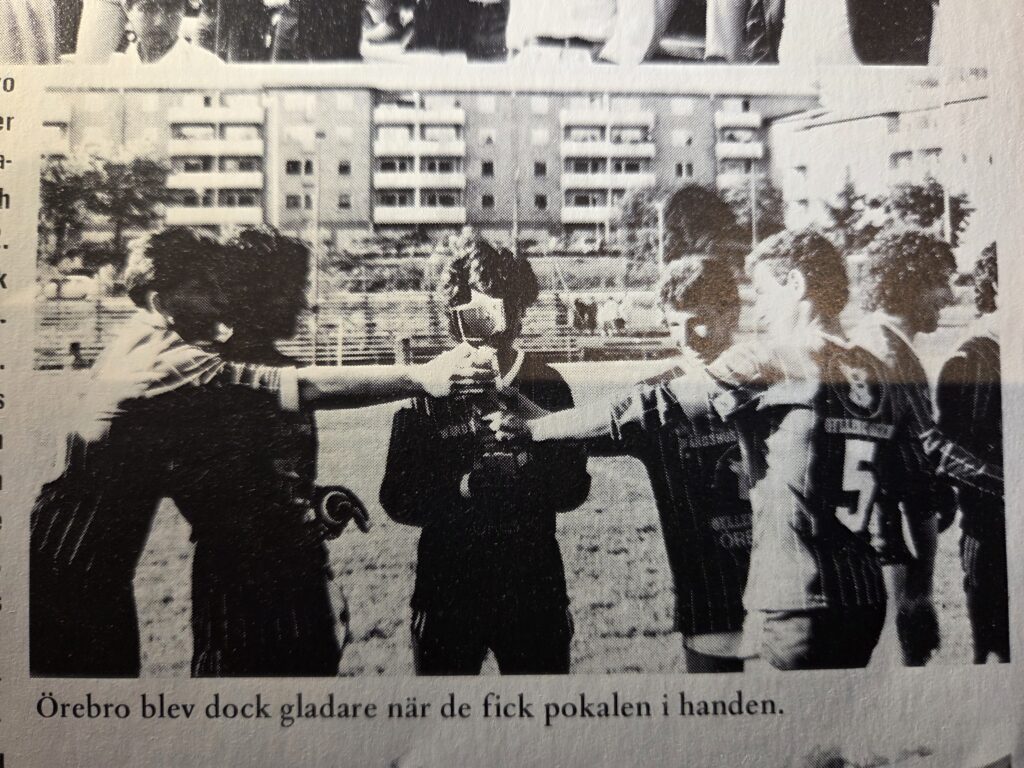
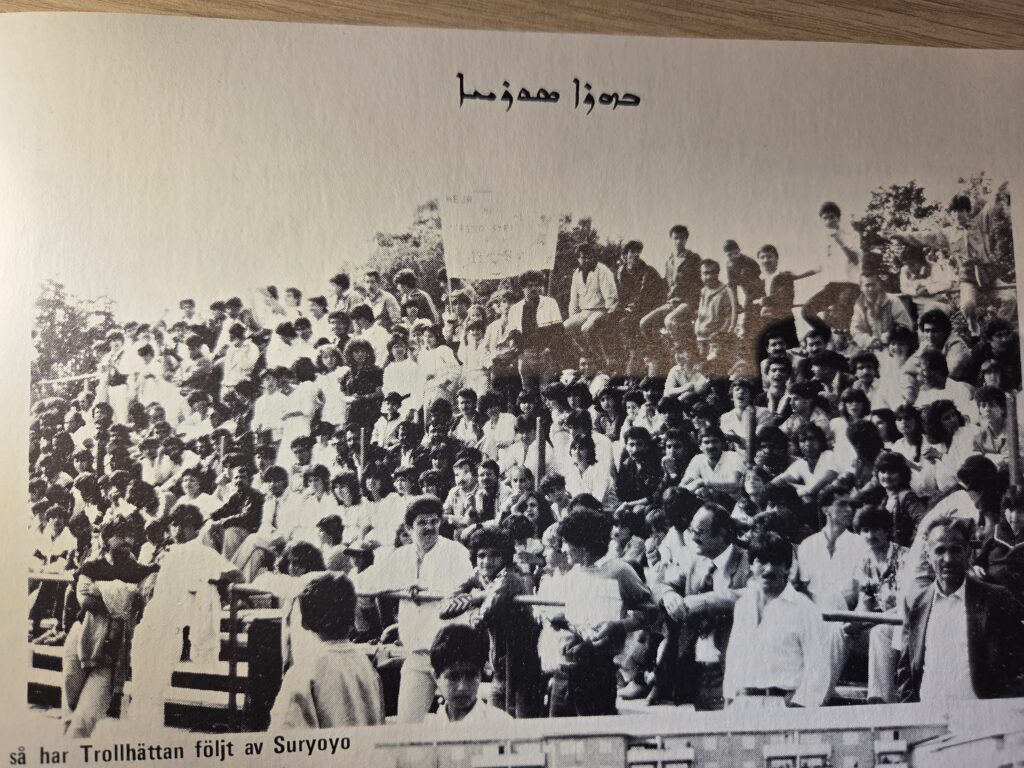
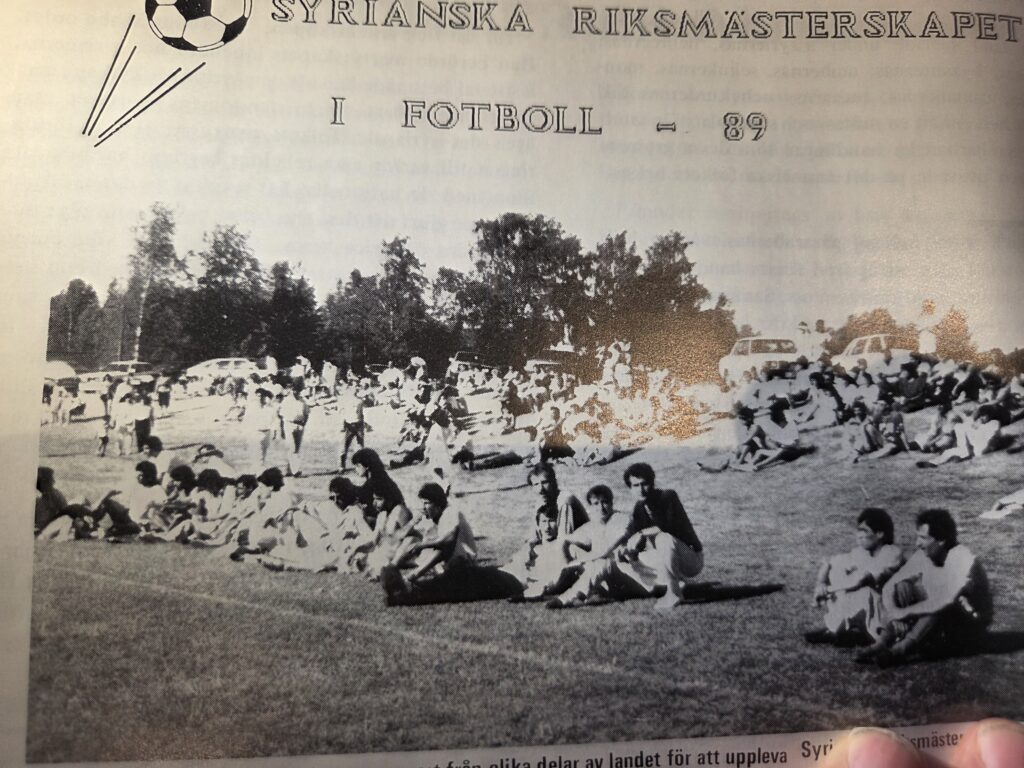
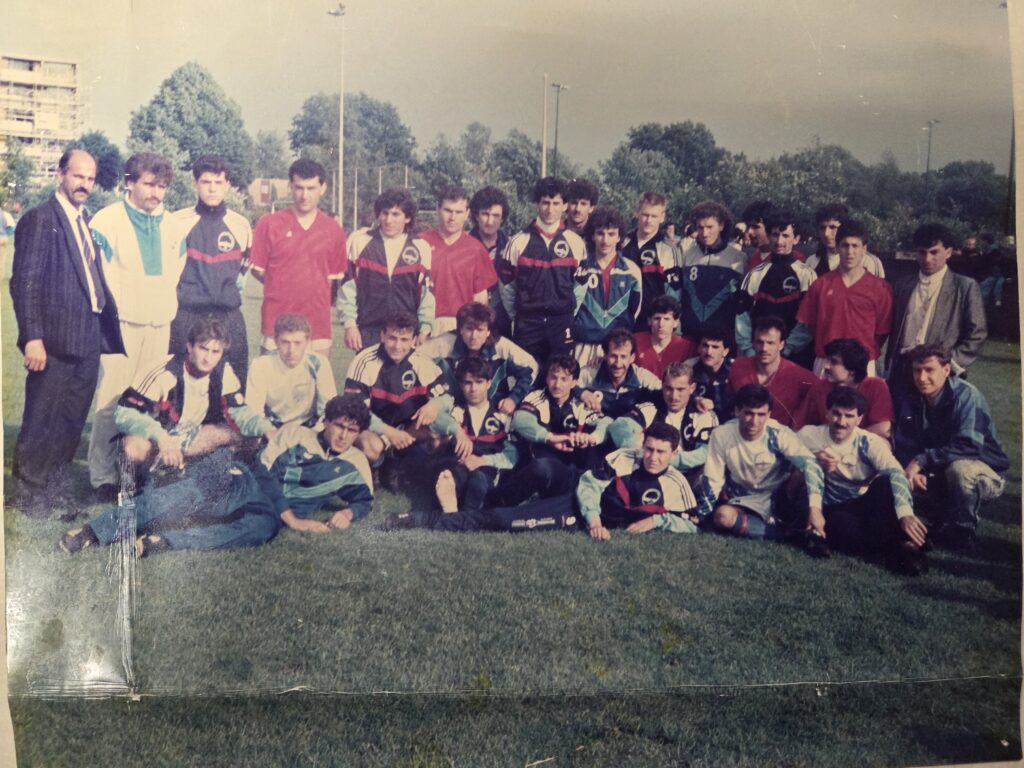
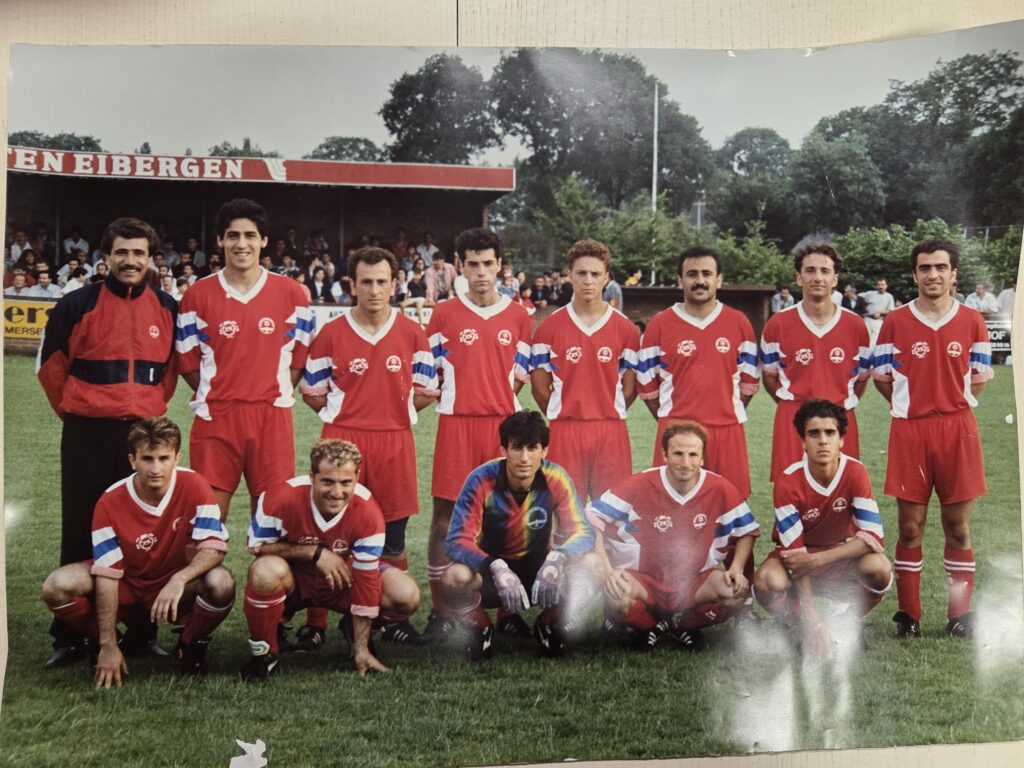
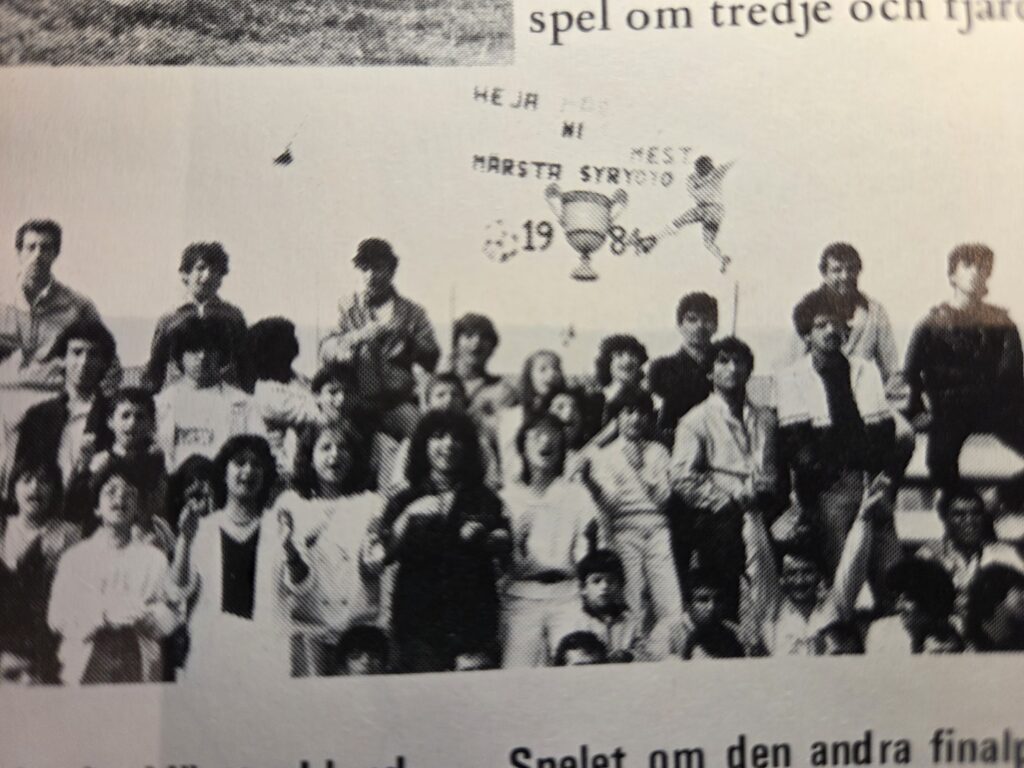
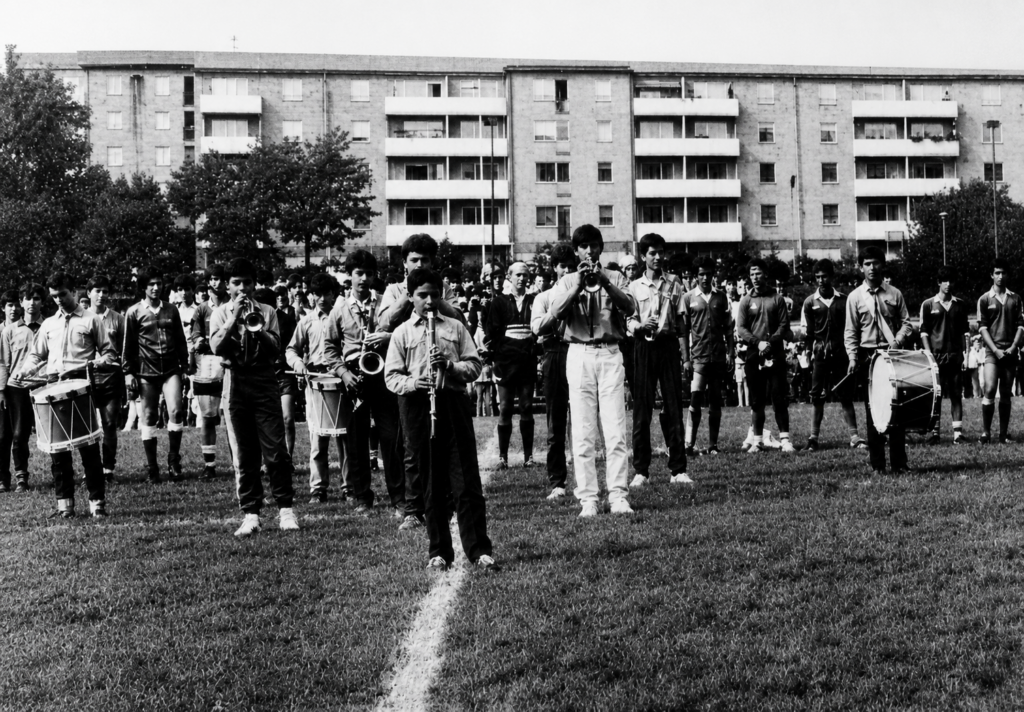
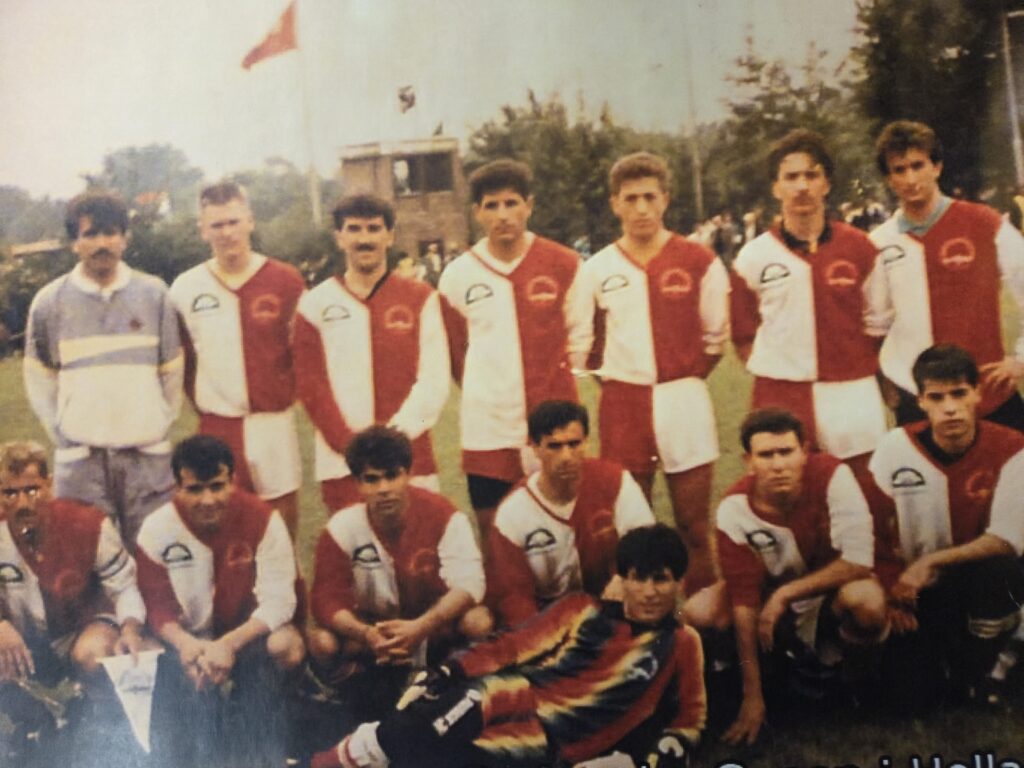
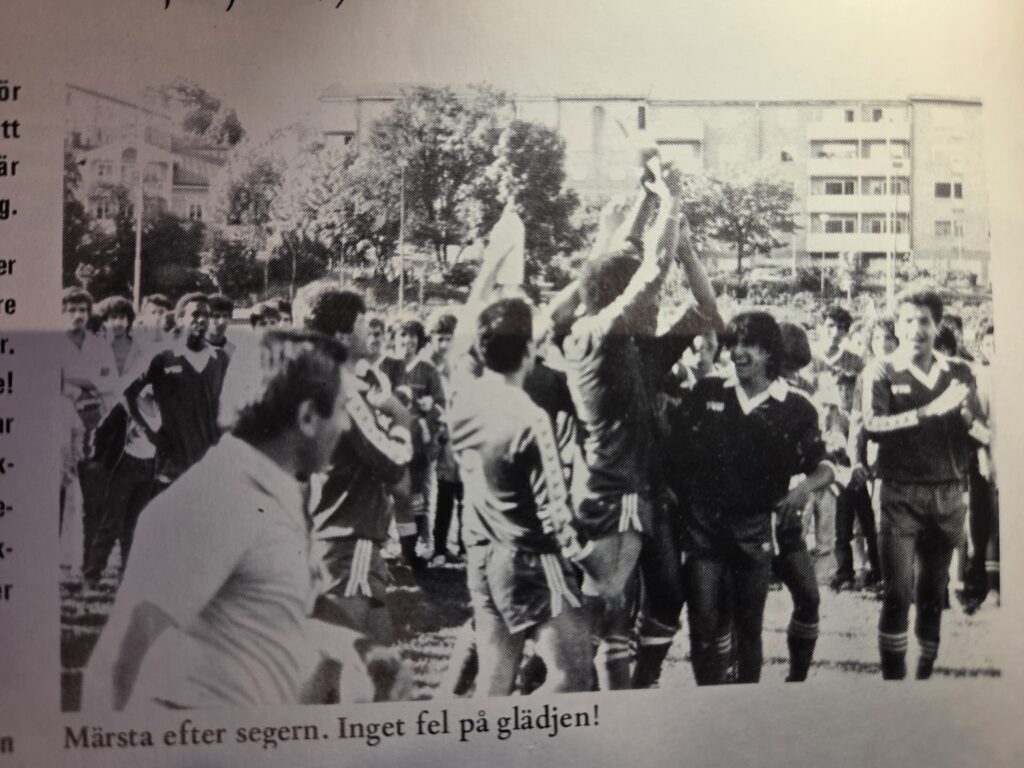
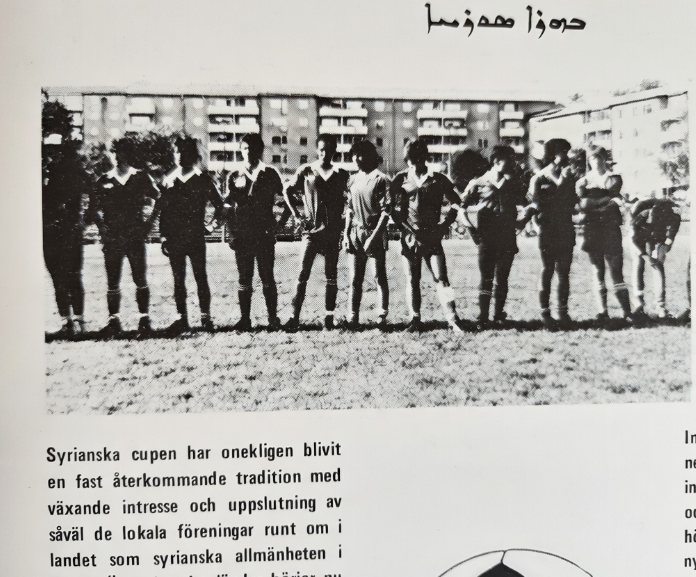
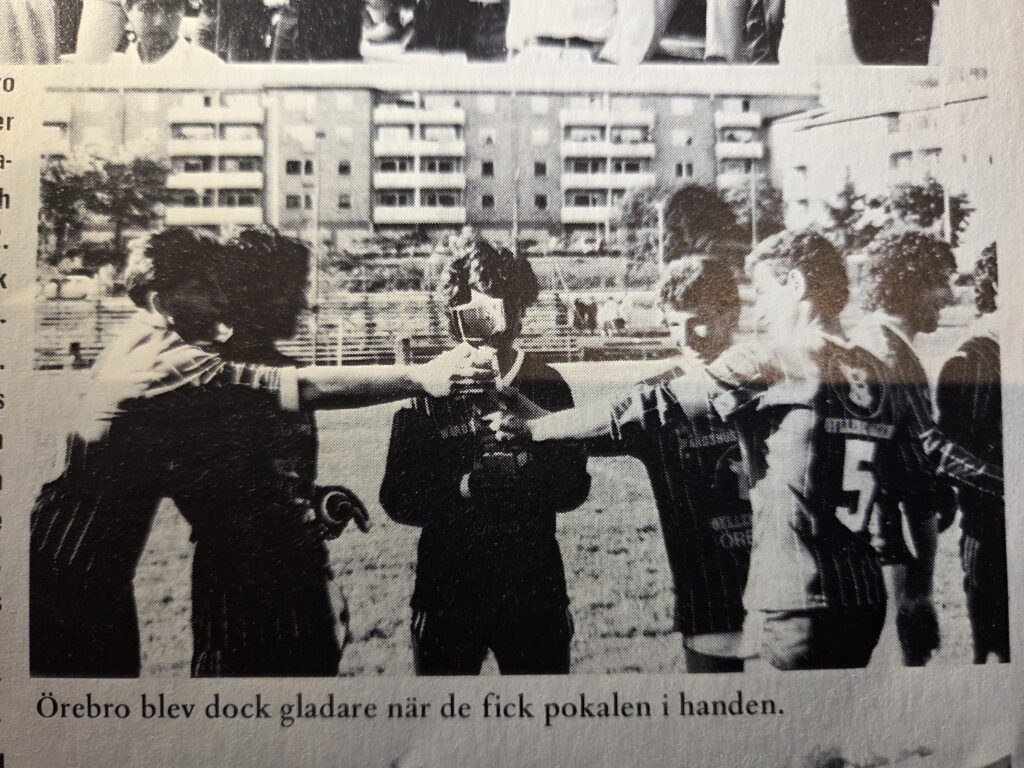
For many older Syriacs, the name immediately brings back memories. Founded in 1978, the Syriac Cup became one of the most important gathering places for our people in Sweden throughout the 1980s and 1990s. Associations, families, young people, and elders from across the country came together. Football was at the center of the event, but what truly made the Syriac Cup unique was the sense of community surrounding it.
It was here that friendships were formed, associations built relationships, new initiatives were born, and young people found inspiration to engage in Syriac community life. Many of today’s leaders, community activists, and engaged members of society first met one another at the Syriac Cup.
Although the tournament disappeared during the 1990s, its memory never faded. Stories continued to be told from one generation to the next. Now, a new generation will have the opportunity to experience what so many have spoken about with warmth and pride.
“We do not simply want to organize a football tournament. We want to revive the spirit of unity and community that characterized our people during the formative years of our presence in Sweden,” says Habib Dilmac, President of the Syriac Federation of Sweden.
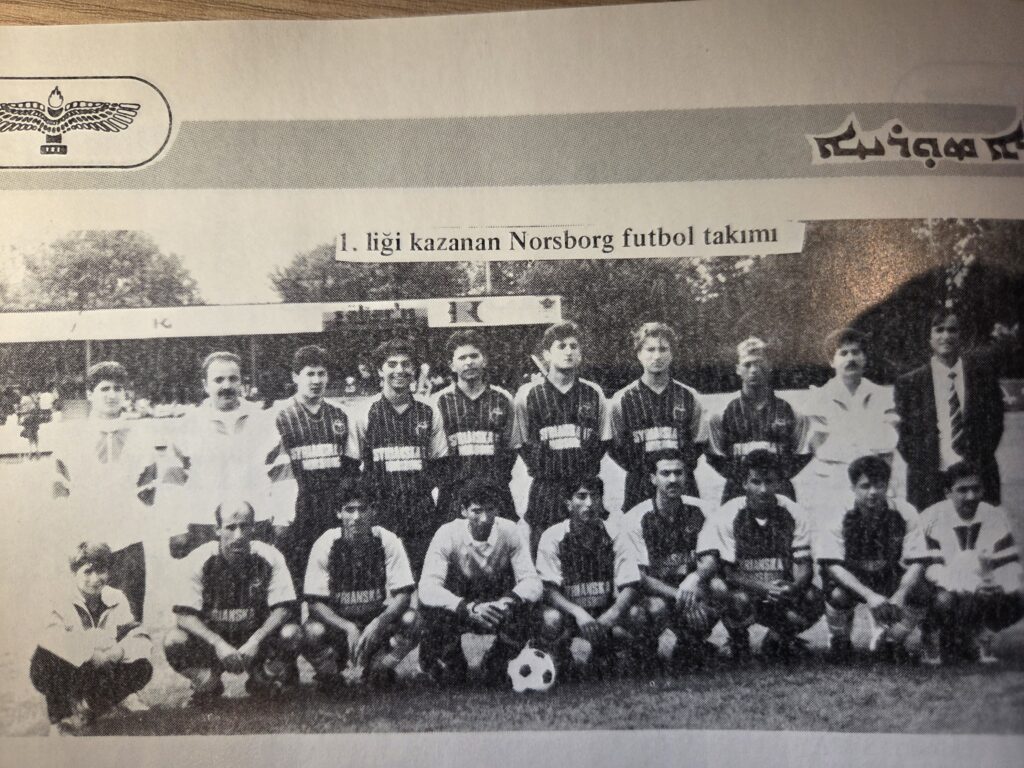

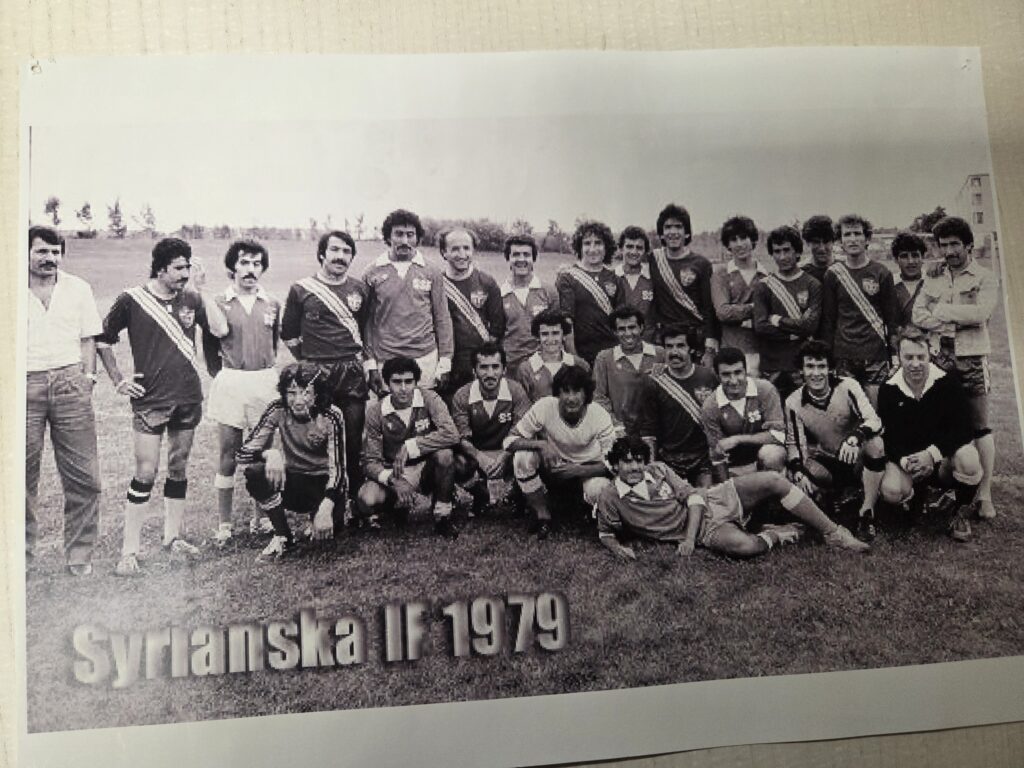
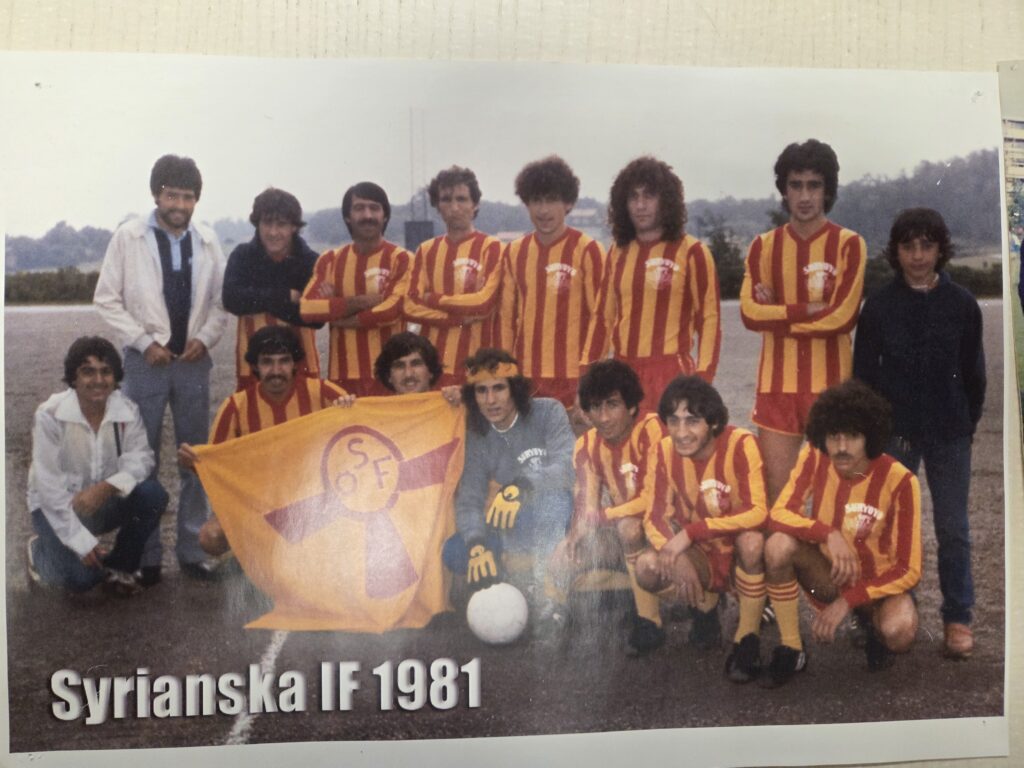

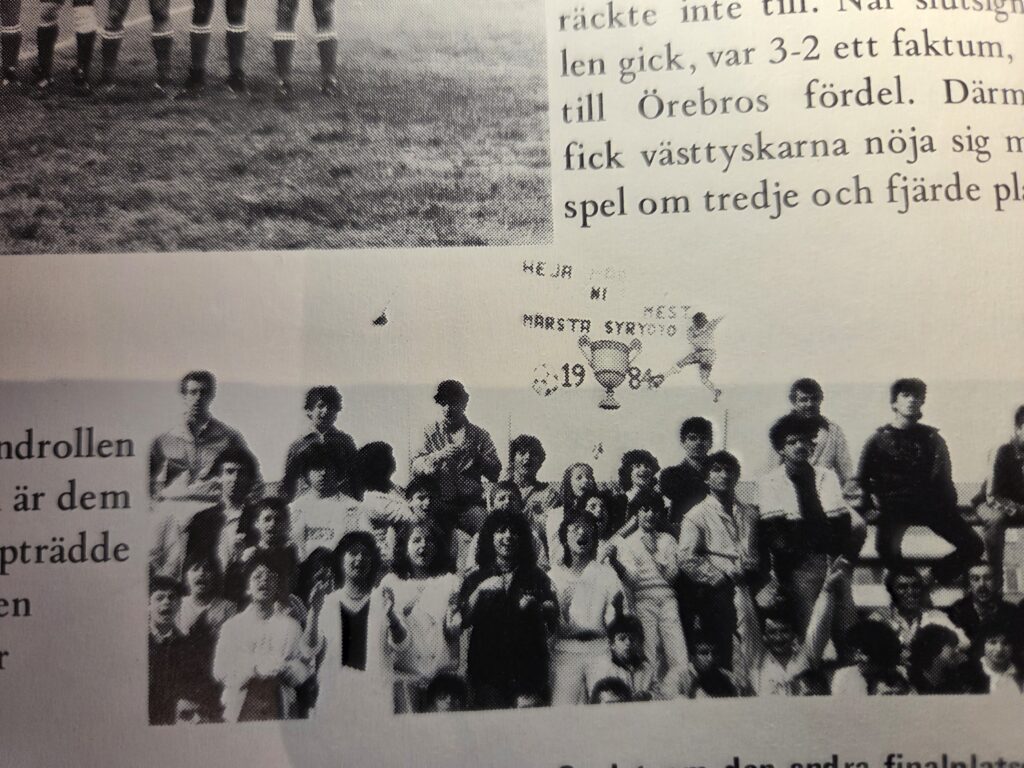

According to him, the Syriac Cup has always represented something far greater than sport.
“Our associations were built by people who understood the importance of coming together. They created arenas where people got to know one another, cooperated, and built a future together. The Syriac Cup was one of those arenas. By bringing it back, we want to create new connections, new friendships, and new opportunities for future generations.”
This year’s event at Bårsta IP in Södertälje will therefore be much more than a football tournament.
Visitors will be welcomed to a family festival designed for all ages. Children and youth will enjoy inflatable castles, play areas, competitions, and a variety of attractions throughout the day. The venue will also feature cultural performances, exhibitions, food vendors, merchandise stands, and opportunities to meet several Syriac organizations presenting their activities and projects.
The goal is to recreate the vibrant gathering place that so many remember from the tournament’s golden years—while adapting it to the needs and expectations of today’s generation.
One of those who carries strong memories from the Syriac Cup is Jakob Alan, today active within the Syriac Federation of Sweden.
“When I think of the Syriac Cup, I do not first think about the matches. I think about the people. I think about all the encounters, the trips, and that unique feeling that our entire community was gathered in one place. We looked forward to the tournament all year long. Many friendships that still exist today were created there,” he says.
Similar emotions are shared by former elite coach and Syriac FC legend Özcan Melkemichel, who participated in several Syriac Cup tournaments during his playing days.
“I have been waiting for the Syriac Cup to return for a very long time. For those of us who were there, this brings back powerful emotions. It reminds us of our youth, our teammates, the sense of belonging, and the pride of representing both our association and our people,” he says.
Melkemichel believes the tournament’s return is equally important for younger generations.
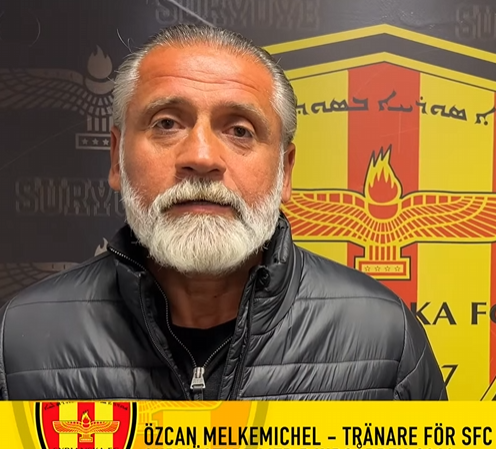
“Those who never experienced the Syriac Cup during the 1980s and 1990s have heard the stories from their parents and older relatives. Now they have the opportunity to create their own memories. I believe many will experience the same joy, pride, and sense of community that we felt back then.”
At the same time, there are people who never had the chance to experience the Syriac Cup but who are now helping bring it back.
One of them is Ibrahim Akgul, board member of the Syriac Federation of Sweden and one of the organizers behind the event.
“I grew up hearing stories about the Syriac Cup. People spoke about it with such joy and nostalgia, but I never had the opportunity to experience it myself. That is why it feels very special to now be part of bringing it back,” he says.
“To me, this is about building bridges between generations. Older generations will be able to relive something they have missed for many years, while younger generations will have the opportunity to create their own traditions and memories.”
A major part of the event will be the cooperation with St. Aphrem Church in Södertälje, which will simultaneously organize a cultural festival at the venue.
The chairman of the church emphasizes that participating was an obvious decision.


“When we were approached, there was never any hesitation. The Syriac Cup is about bringing our people together, strengthening our unity, and creating something positive for our children, youth, and families. As a church, we see it as our responsibility to support such an initiative,” he says.
Through the cultural festival, the church will contribute activities, cultural programs, and practical resources to help create a complete experience for visitors.
“We want this to be a day where people meet across generations. A day where children play, young people find inspiration, families spend time together, and our organizations strengthen their bonds with one another. That is why we are contributing both financially and through the efforts of our volunteers to help make this a successful and meaningful day for our entire community.”
The organizers hope that the Syriac Cup will once again become the natural gathering place it once was.
A place where old memories come alive.
A place where new memories are created.
A place where our organizations meet, where our children play, where our youth find inspiration, and where entire families can gather around the values that unite us.
When the gates open on June 27, 2026, many will come for the football.
But what is truly returning is something much greater.
A tradition.
A community.
A living piece of Syriac history.